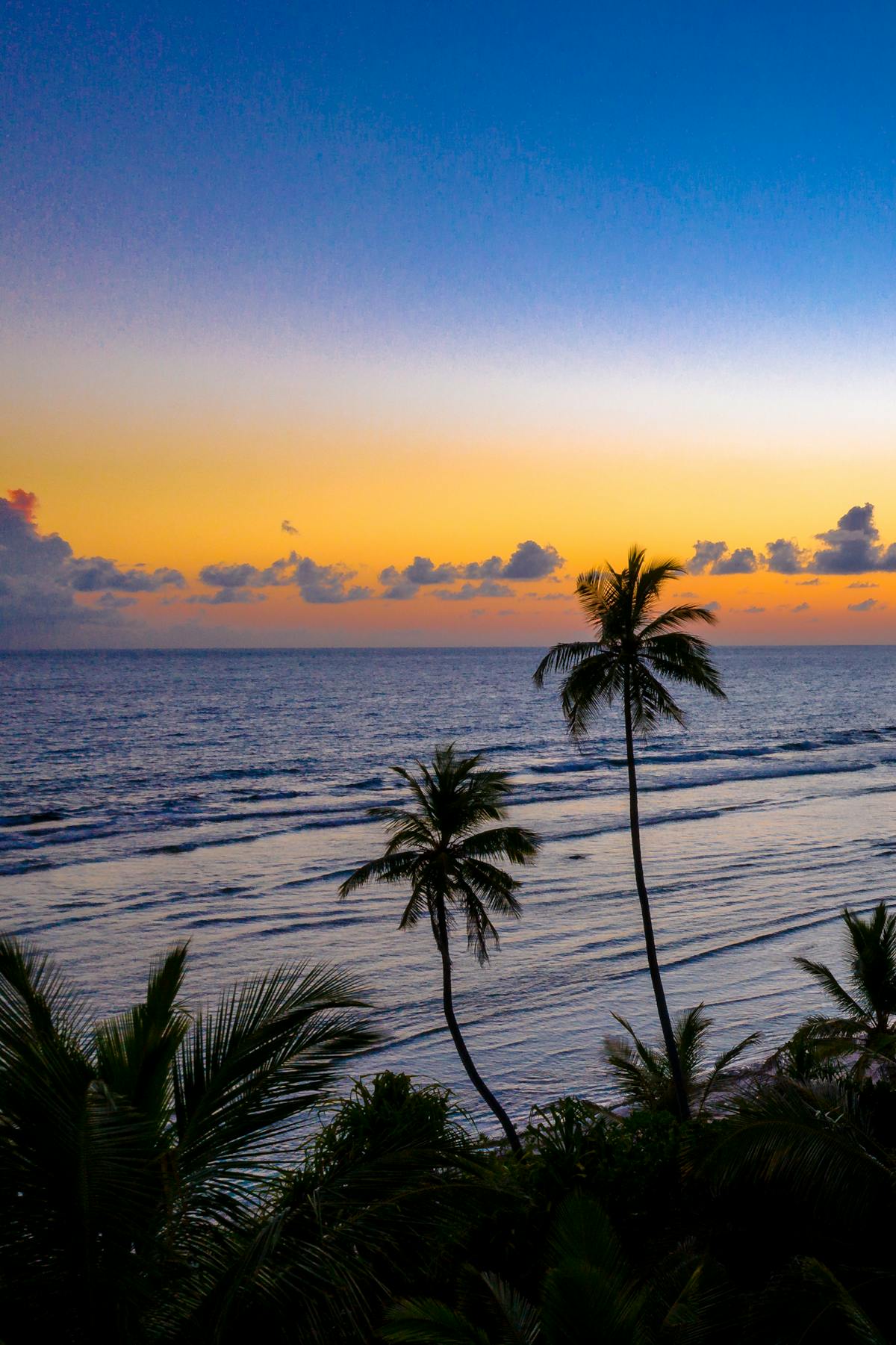
Here's the short version: Nosara's green season runs from May through November, and it is genuinely wonderful. Prices drop by 30 to 50 percent. The crowds disappear. The jungle explodes into shades of green you didn't know existed. The surf gets bigger. Turtles nest on the beaches. And the rain? It almost never lasts all day. You get warm, sunny mornings and dramatic afternoon downpours that clear by evening. If you can get comfortable with a little unpredictability, green season rewards you with a version of Nosara that most visitors never see.
We're not saying dry season is bad — December through April is beautiful here, and there's a reason it's peak season. But we've watched too many people dismiss the rainy months without understanding what they actually look like on the ground. So let's clear that up.
What Green Season Actually Looks Like
When people hear "rainy season," they picture gray skies, cold drizzle, and days spent indoors watching water streak down windows. That's not what happens in Nosara. Not even close.
The typical green season day starts with clear blue skies and warm sunshine. You wake up, have coffee, head to the beach or the pool, surf, hike, do yoga — whatever your morning looks like. The sun is out, the air is warm (we're talking 82 to 93 degrees Fahrenheit year-round here), and you'd have no idea it was "rainy season" if nobody told you.
Then, usually somewhere between 1:00 and 4:00 PM, clouds build up over the mountains behind Nosara, and the rain arrives. It comes fast and heavy — a proper tropical downpour, not a drizzle. The kind of rain where you can hear it approaching through the trees. It lasts anywhere from 30 minutes to a few hours, and then it stops. The sky clears, the sunset comes out, and the air smells incredible — wet earth, tropical flowers, clean jungle.
A few important details: the rain is warm. We're talking 75-degree rain in 85-degree air. You don't need a rain jacket — you'd overheat. Most people just walk around in a swimsuit and flip-flops and let it happen. It's one of the most freeing feelings about being in the tropics.
There are exceptions, of course. September and October can bring longer, heavier rains that occasionally last most of a day. But even in those months, multi-day stretches of nonstop rain are rare. The pattern of sunny mornings and rainy afternoons holds remarkably well from May through November.
Month-by-Month Breakdown
Not all green season months are created equal. Here's what to expect from each one, so you can pick the window that fits your trip.
May
The transition month. After months of dry season, the first rains start arriving — tentatively at first, then more regularly by mid-May. The landscape begins its transformation almost immediately. Brown hillsides turn green within days. Rivers start flowing again. The air feels fresher. Tourist numbers drop noticeably as soon as the rains begin, which means you'll start seeing lower prices and shorter waits at restaurants. There's still plenty of sunshine — May often feels like dry season with occasional afternoon showers.
June
The green season pattern settles in. Mornings are reliably sunny and gorgeous, afternoons bring regular rain. The jungle is coming alive — everything is growing fast, birds are nesting, flowers are blooming. Surf picks up as south swells start hitting Playa Guiones, bringing bigger, more powerful waves that intermediate and advanced surfers love. Town is quiet. You can walk into any restaurant without a reservation. This is one of the best value months to visit.
July
July brings a phenomenon locals call the veranillo — the "little summer." It's a brief dry spell that typically hits mid-July, where the rains ease off for a week or two and the sun takes over again. It's not guaranteed every year, but it's common enough that Ticos plan around it. July also marks the beginning of Olive Ridley sea turtle nesting season at Ostional, about 15 minutes north of Nosara. Watching hundreds of turtles come ashore to nest under moonlight is one of the most extraordinary wildlife experiences in Costa Rica.
August
Similar to June in feel — settled rain patterns, warm mornings, lush surroundings, thin crowds. August is a sweet spot for families with school-age kids, since it falls during summer break in North America but is still firmly in green season pricing territory. The surf continues to deliver, and the jungle canopy is at its thickest and most vibrant. Howler monkeys, toucans, and coatis are everywhere.
September
One of the rainiest months of the year. Rain can start earlier in the day and last longer than the typical afternoon pattern. You may get the occasional full rainy day, especially in the second half of the month. Some outdoor tours and activities may cancel on heavier rain days. That said, September is the ultimate budget traveler's window — accommodation prices are at their absolute lowest, the town is at its quietest, and on the sunny mornings (which still happen regularly), you'll feel like you have Nosara to yourself. If you're flexible with your plans and comfortable with rain, September delivers an incredibly peaceful, uncrowded experience.
October
The wettest month in Nosara, averaging around 463 millimeters of rainfall across roughly 21 rainy days. Some hotels and restaurants close for annual maintenance during October, using the quiet period to renovate and refresh before dry season. Roads get muddier. River crossings can swell. October is only for dedicated rain lovers and adventurous travelers who genuinely don't mind wet days. The upside? The jungle is at maximum lushness, waterfalls are thundering at full power, and you'll find the lowest prices of the entire year.
November
The rain begins to taper off, especially in the second half of the month. The landscape is still gloriously green from months of rainfall, but the heavy daily rains are winding down. November is a genuine sweet spot — you get the green scenery, the thinner crowds, and the lower prices, but with increasingly reliable sunshine as the month progresses. Turtle nesting continues at Ostional. Many people who know Nosara well consider late November the single best time to visit.
Why Green Season Is Actually Great
Beyond the pleasant surprise of the weather, there are real, tangible advantages to visiting Nosara during the rainy months.
Prices drop significantly
Accommodation rates in Nosara are driven by season, and the difference is substantial. Dry season (especially the peak window of January through March) commands premium pricing. Green season rates typically run 30 to 50 percent lower for the same properties. A villa that costs $400 a night in February might be $200 to $250 in June. Over a week-long stay, that adds up to real savings — money you can put toward surf lessons, excursions, or dining out. For a detailed look at what a trip to Nosara actually costs, check our guide to booking a villa vs. a hotel.
Fewer crowds everywhere
The difference in crowd levels between dry season and green season is dramatic. Playa Guiones in January can feel busy — the lineup has 30 surfers, the beach is dotted with umbrellas, and popular restaurants need reservations. That same beach in June has a fraction of the people. You'll surf with more space, eat where you want when you want, and move through town without the low-level congestion that high season brings. If you've ever daydreamed about having a tropical paradise mostly to yourself, green season is how you get there.
The landscape transforms
Nosara during dry season is beautiful — there's no arguing that. But Nosara in green season is alive in a way that dry season simply can't match. The rains turn everything a deep, saturated green. Trees that looked dormant in March are exploding with new growth. Flowers bloom everywhere. Waterfalls that were thin trickles in April are roaring with whitewater. The contrast is striking, and it makes for far more dramatic photos and scenery. If you're someone who responds to lush, tropical beauty, green season delivers it at a level dry season can't touch.
Better wildlife viewing
The abundant rain and vegetation create ideal conditions for wildlife. Birds are more active — this is nesting season for many species, and the fruit trees and flowering plants draw them out in numbers. You'll see more toucans, parrots, scarlet macaws, and hummingbirds during green season than any other time of year. Howler monkeys are more vocal and visible. Frogs come out in force — the red-eyed tree frog, one of Costa Rica's most iconic animals, is far easier to spot during the rainy months. And of course, July through December brings the Olive Ridley turtle nesting at Ostional, one of only a handful of mass nesting sites in the world.
Bigger, better surf
Green season brings consistent south swells to Nosara's coastline, and Playa Guiones lights up. The waves are bigger, more powerful, and more hollow than the typical dry season surf — ideal for intermediate and advanced surfers looking for a challenge. Morning sessions are still clean and offshore before the wind shifts, and with fewer surfers in the water, you'll catch more waves per session. If you're a developing surfer ready to step up from beginner waves, green season at Guiones is the place to do it. For more on surfing here, see our complete guide to surfing Playa Guiones.
Turtle nesting season
The Ostional National Wildlife Refuge, a 15-minute drive north of Nosara, is one of the most important Olive Ridley sea turtle nesting sites in the world. From July through December, thousands of turtles come ashore in mass nesting events called arribadas — waves of turtles crawling up the beach to lay their eggs, sometimes hundreds in a single night. It's a profoundly moving thing to witness, and it only happens during green season. Guided night tours are available and highly recommended. This alone is worth timing a trip for.
The Months to Think Twice About
We want to be honest: not every green season month is an easy sell.
September and October are the wettest months in Nosara. September averages heavy rainfall, and October is the single wettest month of the year with roughly 463 millimeters of rain spread across 21 days. During these months, the rain can start earlier, last longer, and occasionally dominate an entire day. Some roads become muddy and challenging, even with a 4x4. A handful of hotels and restaurants close during October for annual maintenance.
Does that mean you should avoid September and October entirely? Not necessarily. If you're a budget traveler who doesn't mind rain, these months offer the lowest prices and the emptiest beaches. But if your idea of a great vacation involves reliable sunshine every day, you'll be happier in May, June, July, August, or November.
Practical Tips for a Green Season Trip
Visiting during the rains requires a slightly different approach than a dry season trip. Here's what we tell our guests.
- Pack light and quick-dry. You don't need a heavy rain jacket — it's too hot for one. Bring a swimsuit, quick-dry shorts, a few light shirts, and flip-flops. A thin waterproof shell is useful if you want something for walking around town during a shower, but most people just embrace getting wet. It's warm rain. You dry off in minutes.
- Rent a 4x4. We recommend four-wheel drive for Nosara any time of year, but during green season it shifts from "nice to have" to "really important." Unpaved roads get muddy, and some river crossings swell after heavy rain. A 4x4 handles all of it comfortably. See our car rental guide for details on what to expect.
- Bring bug spray. Mosquitoes are more active during the rainy months. Bring a good DEET-based repellent or pick up a local brand when you arrive. Apply it in the evenings especially — that's when mosquitoes are most active in Nosara. Long sleeves at sunset help too.
- Plan activities for the morning. Since rain typically arrives in the afternoon, front-load your day. Surf at sunrise. Hike to Playa Barrigona in the morning. Book your horseback riding for early in the day. Then let the afternoon rain be your excuse to slow down — read a book, take a nap by the pool, or enjoy the sound of rain on the roof with a cocktail in hand.
- Be flexible with water activities. Some boat tours, snorkeling trips, and ocean-based excursions may cancel during green season due to bigger swells and reduced visibility. Have backup plans in mind, and don't build your entire trip around a single ocean tour.
- Embrace the rhythm. Green season has a pace to it that dry season doesn't. The mornings are active and energetic, the afternoons are slow and restorative, and the evenings — after the rain passes and the sunset paints the sky — are magical. It's not a compromise. It's a different kind of vacation, and for many people, it's the better one.
Green Season vs. Dry Season Pricing
One of the biggest draws of green season is the cost savings. Here's a general sense of how pricing shifts between the two seasons.
| Category | Dry Season (Dec–Apr) | Green Season (May–Nov) |
|---|---|---|
| Accommodation | Peak rates — highest Jan–Mar | 30–50% lower |
| Flights to Costa Rica | Higher — peak travel season | Often significantly cheaper |
| Car Rentals | $50–100+/day, limited availability | $40–70/day, easier to book |
| Surf Lessons | Standard rates, busy schedules | Same rates, more availability |
| Restaurants | Reservations recommended | Walk in anywhere |
| Tours & Activities | Book in advance, sell out | More flexible, smaller groups |
The savings compound quickly. Between cheaper flights, lower nightly rates, and easier availability for everything from quad rentals to dinner reservations, a green season week in Nosara can cost meaningfully less than the same trip in February — without sacrificing the quality of the experience.
Frequently Asked Questions
Is it worth visiting Nosara in the rainy season?
Absolutely. Many locals and repeat visitors consider green season the best time to be in Nosara. You get sunny mornings, lower prices, far fewer crowds, incredible jungle scenery, bigger surf, and wildlife experiences like turtle nesting that simply don't happen during dry season. The rain is warm and predictable, and it rarely ruins a full day.
Does it rain all day in Nosara during green season?
No. The typical pattern is clear, sunny mornings followed by afternoon or evening rain showers lasting one to three hours. All-day rain is uncommon outside of the peak wet months of September and October. You'll have a full half-day of sunshine for activities on the vast majority of days.
What is the cheapest month to visit Nosara?
June through August tend to offer the lowest accommodation prices, since these months sit in the heart of green season when tourist numbers are lowest. September and October are also very affordable, though some properties close for maintenance during October. November offers a nice balance — still discounted, but with improving weather as the rains taper off.
Can you still surf in Nosara during the rainy season?
Yes, and many surfers actually prefer it. Green season brings south swells that produce bigger, more powerful waves at Playa Guiones — ideal for intermediate and advanced surfers. Mornings still offer clean, offshore conditions, and the lineup is far less crowded than during dry season. Beginners can find manageable conditions too, especially at higher tides.
Plan Your Green Season Trip
If we've convinced you to consider green season — or at least made you curious — we're happy to help you plan the details. We host guests at Kembar year-round, and some of our favorite weeks have been during the rainy months. There's something special about watching a tropical downpour from the covered terrace of a private villa, pool glowing in the rain, howler monkeys calling from the trees, knowing you have this whole corner of Costa Rica practically to yourself.
For help planning your trip logistics, check out our guide to getting to Nosara and our best things to do in Nosara for itinerary ideas. When you're ready, check availability on our booking page, or reach out on WhatsApp and we'll help you find the right dates.