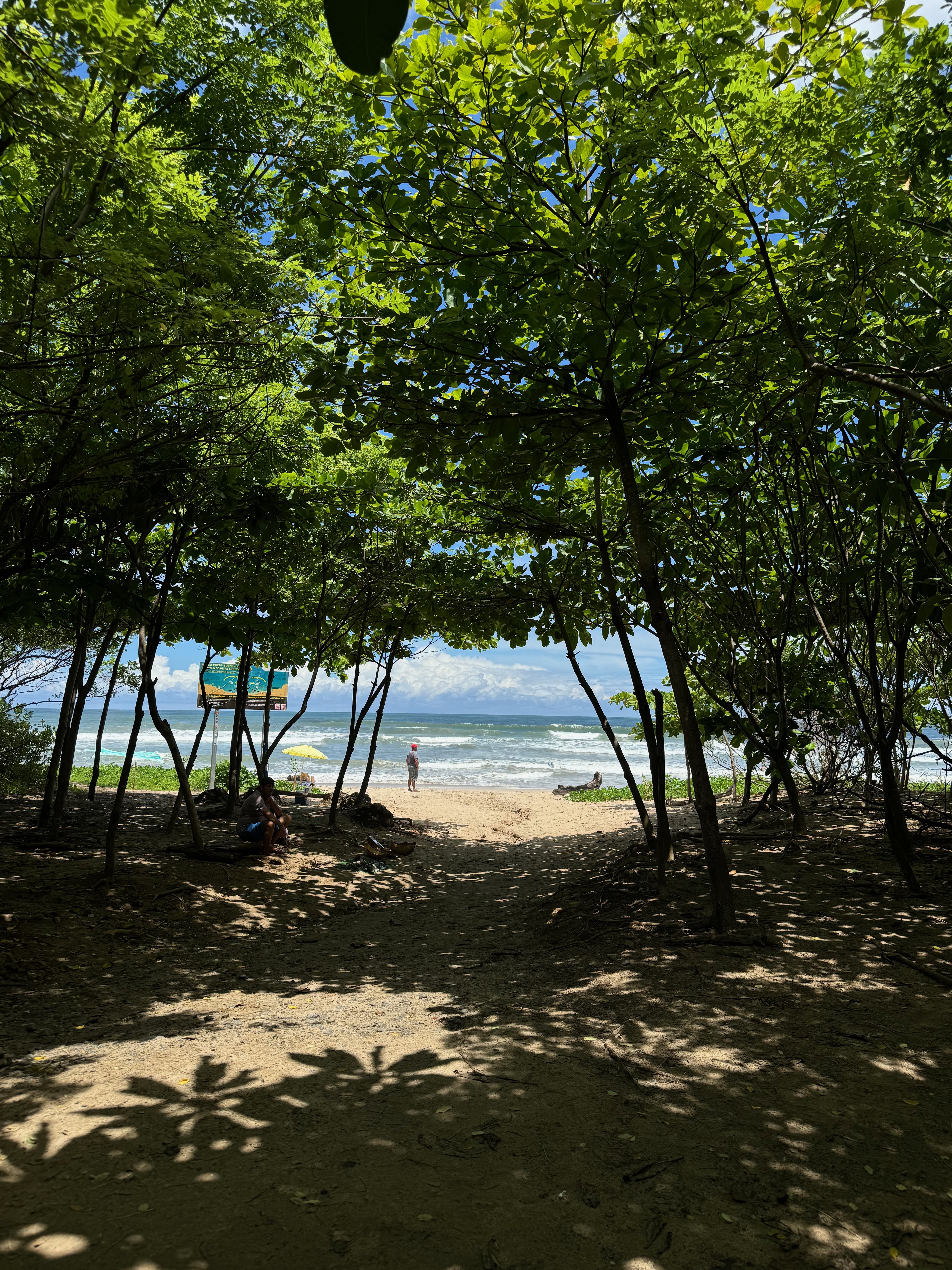
We get some version of this question almost every week: "Is Nosara actually worth the trip?" And our honest answer is yes — for the right traveler. But we'd rather tell you the full picture upfront than have you arrive expecting something Nosara isn't. This is a place that inspires fierce loyalty in the people who love it, and genuine frustration in the people who don't. So let's talk about what you're actually signing up for.
What Nosara Actually Is
Nosara is a small, spread-out beach community on Costa Rica's Nicoya Peninsula, about 2.5 hours south of Liberia's international airport. The population hovers around 6,000, with a significant international expat community mixed in with multigenerational Costa Rican families. It's not a town in the traditional sense — there's no real center, no main strip, no downtown. It's more like a collection of neighborhoods connected by roads that wind through dense tropical jungle.
And here's the thing that surprises a lot of first-time visitors: Nosara is intentionally undeveloped. There are no traffic lights. No chain restaurants. No buildings above the treeline. Many of the roads are still unpaved. This isn't because infrastructure hasn't caught up — it's because the community has actively chosen to keep it this way. Building codes since the 1970s have enforced low-density, nature-first development. You can't see a single structure from most of the beaches here.
It's also worth knowing that the Nicoya Peninsula is one of only five Blue Zones in the world — regions where people live measurably longer, healthier lives. That's not a marketing claim. It's a demographic reality, and you can feel it in the pace of life here.
What We Love About Nosara (The Pros)
World-Class Surfing
Playa Guiones is one of the most consistent beach breaks in Central America. Seven kilometers of sandy-bottom waves that work year-round, on virtually every tide. Beginners love the forgiving whitewater. Intermediate surfers love the long, peeling rides. And even though the lineup has gotten busier in recent years, it still doesn't feel anywhere near as crowded as comparable breaks in Bali, Portugal, or even Tamarindo down the coast. If surfing is any part of your trip, Nosara delivers. We go deeper on this in our guide to surfing Playa Guiones.
A Genuine Wellness Culture
We want to be clear about something: wellness in Nosara isn't performative. It's not a handful of yoga studios cashing in on a trend. Yoga is genuinely woven into the fabric of daily life here. Bodhi Tree Yoga Resort, Harmony Hotel, and the Nosara Yoga Institute have been operating for decades. Teacher trainings, breathwork sessions, sound healing, surf-and-yoga retreats — these aren't tourist add-ons. They're what a significant portion of the community does every single day.
Incredible Wildlife
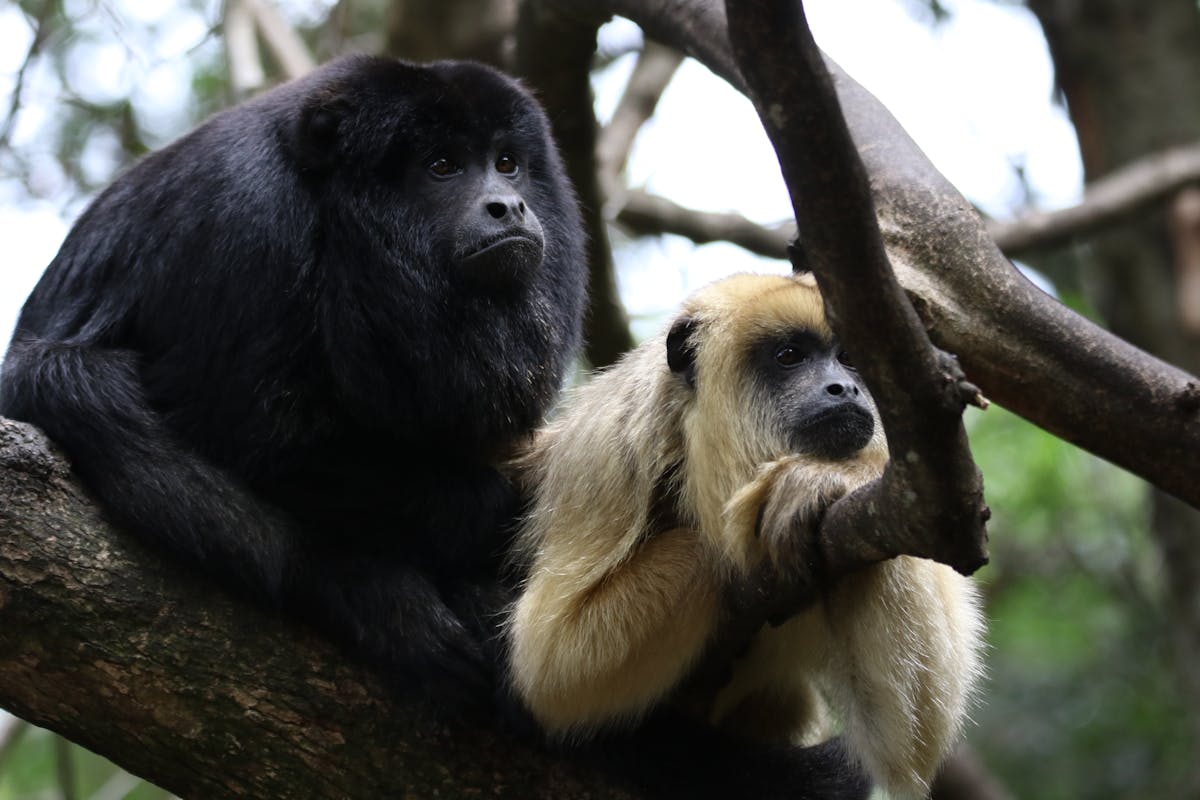
Howler monkeys are your alarm clock. That's not hyperbole — they start around 5 AM, and the first time you hear them, you'll think something enormous is crashing through the jungle. After a few days, it becomes background music. Toucans fly overhead while you eat breakfast. Iguanas sun themselves on the walkway to the beach. Scarlet macaws — which were nearly extinct in this region a decade ago — are now a regular sighting thanks to dedicated conservation efforts.
And then there's Ostional, just fifteen minutes north, where hundreds of thousands of Olive Ridley sea turtles come ashore to nest during the "arribada." It's one of the most extraordinary wildlife events on the planet, and it happens right here.
Protected, Unspoiled Beaches
Playa Guiones is a national wildlife refuge. That means no development on the sand — no cabanas, no vendors, no jet ski rentals, no beach bars. Just waves, sand, and jungle right up to the high-tide line. It's the kind of beach experience that's becoming genuinely rare in the world, and it's protected by law here.
Safety
The beach areas where you'll spend most of your time — Playa Guiones and Playa Pelada — feel genuinely safe, day and night. It's a tight-knit community where people look out for each other, and we've never had a moment of concern. The standard travel advice applies: don't leave your phone or wallet unattended on the beach while you surf, and don't leave valuables visible in your rental car. Like any place in Costa Rica, petty theft can happen, and there's occasionally a bit more of that in the town of Nosara itself (a few kilometers inland) — but that's largely a local concern and unlikely to affect your trip. Overall, it's one of the safest beach communities you'll find in the country.
An Unexpectedly Great Food Scene
This one catches people off guard. You can eat a $7 casado (the traditional Costa Rican plate of rice, beans, salad, and protein) at a local soda for lunch, then sit down for Michelin Key-recognized dining at The Silvestre for dinner. The range is impressive for a town this size. Farm-to-table restaurants, excellent sushi, wood-fired pizza, beachside ceviche — the food scene has matured enormously. We wrote an entire guide to our favorite restaurants in Nosara if you want the full list.
A Welcoming Community
Both the local Costa Rican community and the international expat community here are genuinely welcoming. It's a place where people know each other. You'll run into the same faces at the surf break, the farmers' market, and the restaurants. That sense of connection is hard to manufacture, and it's something visitors pick up on immediately.
What We'd Want You to Know Before Booking (The Cons)
Here's where we diverge from the typical travel blog. We want you to love it here, but that means being upfront about the parts that aren't for everyone.
It Can Be Expensive
Nosara can be one of the pricier destinations in Costa Rica. Accommodation, restaurants, and activities tend to cost more than you'd pay in most other beach towns in the country. A nice dinner for two will run $60 to $100+. A private surf lesson is $80 to $120. Groceries at Super Nosara cost noticeably more than stores in Liberia or San Jose. That said, you can absolutely travel here on a moderate budget — there are hostels, local sodas, and ways to keep costs very reasonable. It's more a matter of knowing where to look than it is an unavoidable reality.
It's Somewhat Remote
Getting here takes a bit of effort. From Liberia's international airport, it's roughly 2.5 hours by car. The good news is that many of the roads that were once dirt and gravel have now been paved, making the drive significantly more comfortable than it was even a few years ago. There are still some unpaved stretches, but the journey has gotten much easier. You can also fly directly into Nosara's tiny airstrip on Sansa Airlines and skip the drive entirely. We have a full guide to getting to Nosara that breaks down every option — it's not as daunting as it used to be, but it's worth planning for.
There's Very Little Nightlife
A few bars. Maybe live music on a weekend. Nothing after 11 PM most nights. If you're coming to Costa Rica looking for a scene — dancing, late nights, bar hopping — Nosara is not your town. That's not a knock on it. It's just the reality. People here tend to be up with the sunrise, surfing or doing yoga before the heat of the day, and winding down early.
There Are Critters
You're in the jungle — it comes with roommates. Sand flies (no-see-ums) come out at sunset on the beach, and their bites can be itchy. Mosquitoes make an appearance, though they're mostly a factor during green season and the shoulder months (May through November) — in the dry, high season, they're much less of an issue. You might also encounter the occasional centipede, gecko on the wall, or an ant trail that's decided your kitchen counter is a highway. Bring good repellent, and know that none of this is dangerous — it's just part of tropical living. Most guests find it charming after day two.
Overdevelopment Is a Growing Concern
We'd be doing you a disservice if we painted Nosara as a frozen-in-time paradise. The construction boom over the past five to ten years has been significant. New homes, vacation rentals, and boutique hotels are going up steadily. Long-time residents — both Costa Rican and expat — are genuinely worried about whether the town's character can survive the growth. Water resources, waste management, and road capacity are all under pressure.
Gentrification Is Real
Rising property values and the cost of living have made it increasingly difficult for local Costa Rican families to remain in the community they've lived in for generations. This is worth acknowledging rather than ignoring. The influx of international money has brought benefits — better restaurants, improved roads, conservation funding — but it's also created real displacement. Spending at local businesses, supporting Costa Rican-owned restaurants and tour operators, and being a respectful visitor all make a difference.
Who Will Love Nosara
Based on the hundreds of guests we've hosted and the conversations we've had with other travelers, these are the people who tend to fall hardest for this place:
- Surfers of all levels — from first-timers to intermediates looking for consistent, uncrowded waves
- Yoga practitioners and wellness seekers — people who want to deepen a practice, not just do a token class
- Families wanting a nature-immersed vacation — kids thrive here, and the family-friendly activities are genuinely memorable
- Digital nomads — reliable WiFi, great coworking spaces, and a community of remote workers
- Nature lovers and wildlife enthusiasts — if monkeys, toucans, and sea turtles excite you, this is your place
- People who want to truly disconnect — no nightlife pressure, no FOMO, just jungle and ocean
Who Should Probably Go Elsewhere
And here's the other side. Not every Costa Rica beach town is right for every traveler, and there's no shame in that:
- Budget backpackers — Santa Teresa offers a similar vibe at a lower price point
- Party seekers — Tamarindo has the nightlife Nosara doesn't
- People wanting easy accessibility — Tamarindo is 1.5 hours from Liberia airport on paved roads
- All-inclusive resort seekers — the Papagayo Peninsula has world-class resorts; Nosara has zero
- People who need constant entertainment — there's no mall, no movie theater, no amusement park. The entertainment here is nature, surfing, and slowing down.
Common Myths About Nosara, Debunked
"You absolutely need a 4x4"
This used to be true, but not anymore. Many of the roads to Nosara that were once dirt have now been paved, and a standard SUV will handle the drive from Liberia just fine. A higher-clearance vehicle is still nice to have — especially in green season when some remaining unpaved sections get muddy — but it's no longer the requirement it once was. We cover the full driving picture in our car rental guide.
"It rains all day in green season"
Not even close. Green season (May through November) typically means sunny mornings and afternoon showers. You'll get your beach time, your surf sessions, and your morning yoga in before the rain rolls in around 2 or 3 PM. And everything is dramatically greener, emptier, and cheaper. Some of our favorite months here are June and July.
"It's just for yogis"
Yoga is a big part of Nosara's identity, but it's far from the only thing to do. Surfing, ATV tours through the jungle, zipline canopy tours, horseback riding on the beach, stand-up paddleboarding on the river, wildlife boat tours, and some of the best hiking in Guanacaste are all here. The quad rentals alone are worth the trip for adventure seekers.
"It's too expensive to visit"
Budget options exist. Local sodas serve full meals for $5 to $8. Hostels start around $20 a night. Green season rates at hotels and vacation rentals can be 30 to 50 percent lower than high season. You won't backpack through Nosara for $30 a day, but a moderate-budget trip is absolutely doable if you plan for it.
The Verdict
Nosara is worth it if you value nature over nightlife, wellness over convenience, and authentic over polished. It's not the most convenient place to reach. It can get pricey if you're not thoughtful about it. The critters will remind you that you're in the jungle, and the lack of a Target or a Starbucks will test some people's idea of a vacation.
But the people who come here tend to come back. And some never leave.
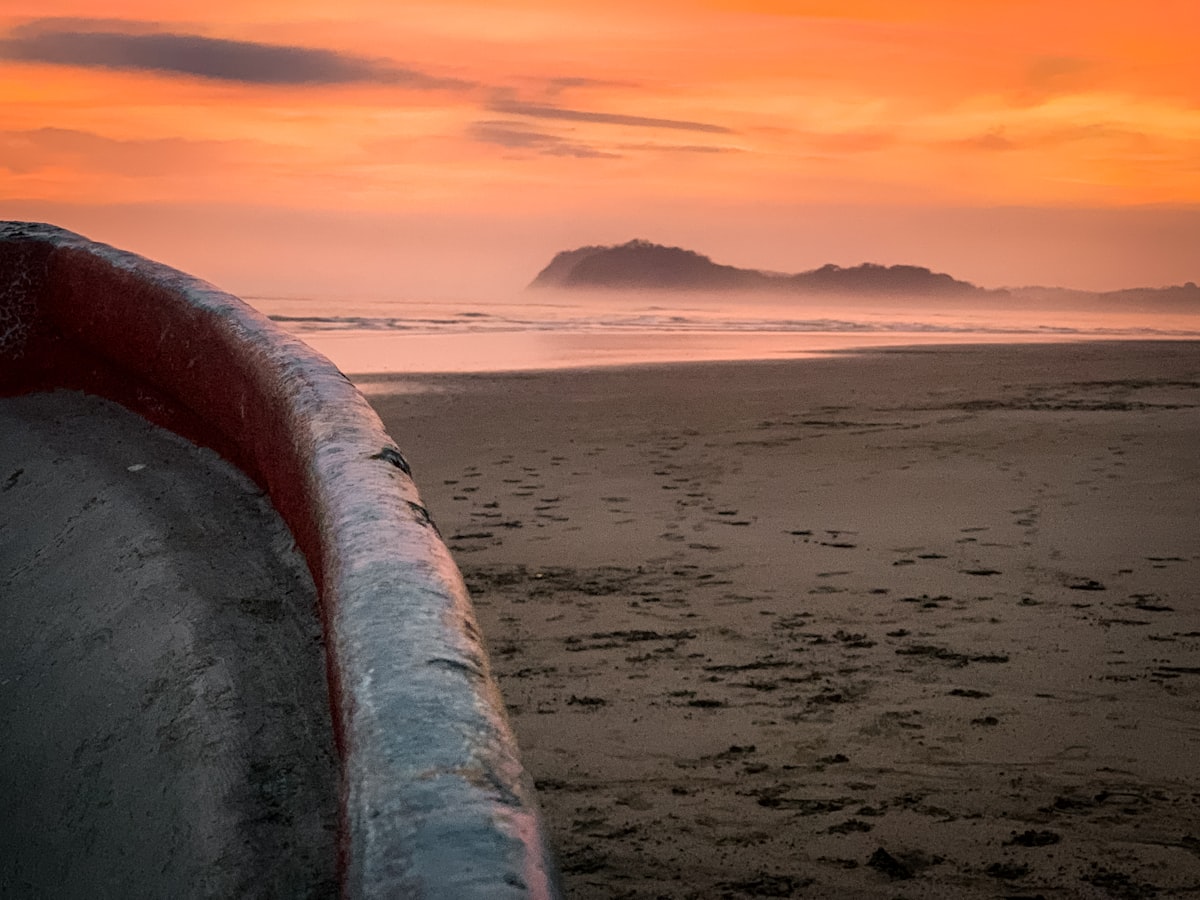
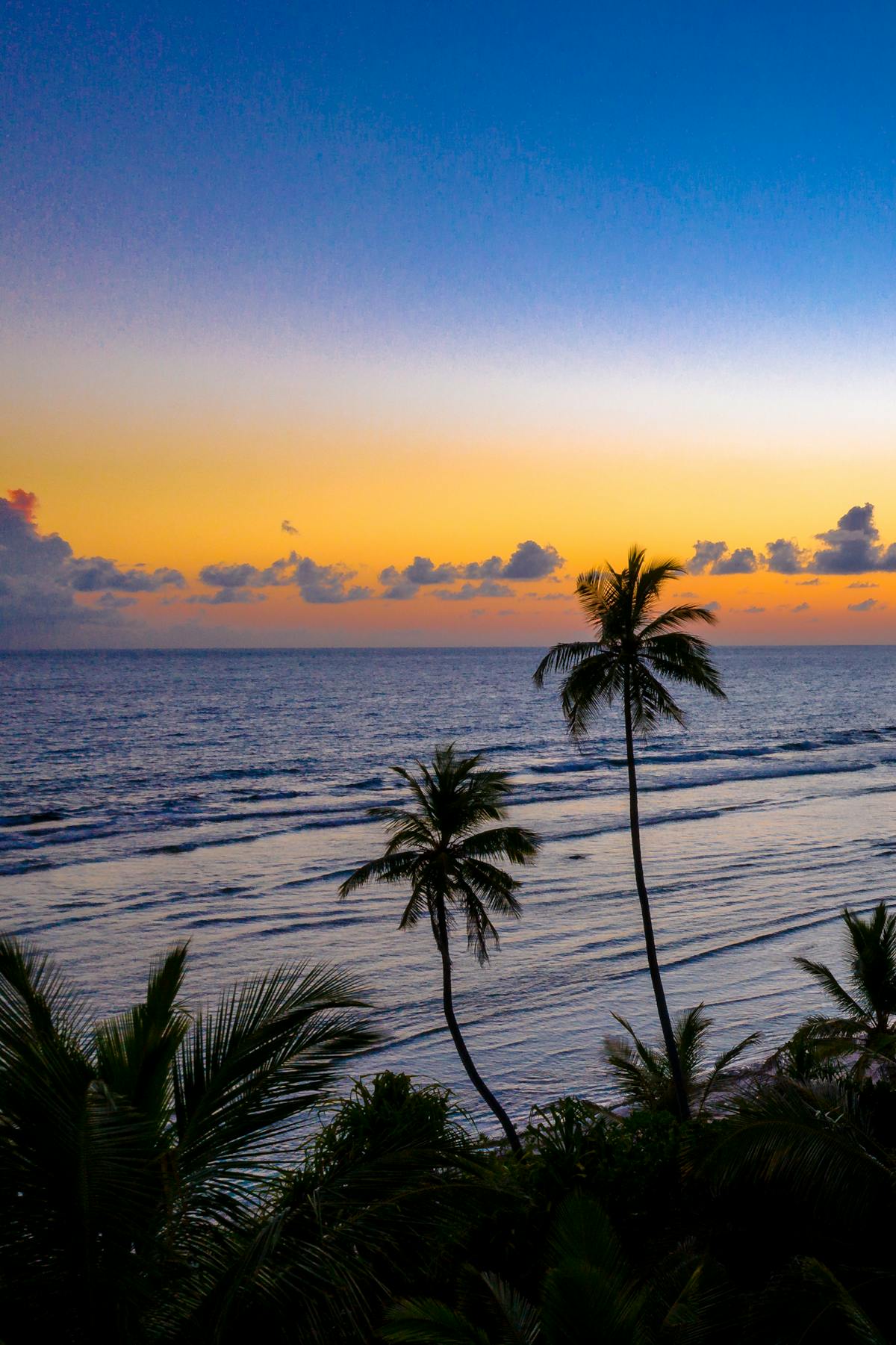
There's a reason this small, intentionally undeveloped town on an unpaved road in rural Costa Rica has become one of the most talked-about destinations in Central America. It's not the marketing. It's not the Instagram photos. It's the feeling you get when you're standing on Guiones at sunset, salt in your hair, howler monkeys calling from the trees behind you, and not a single building in sight.
That feeling is worth the trip. Whether it's worth it for you depends on what kind of traveler you are. We hope this helped you figure that out.
For a side-by-side comparison with Costa Rica's other popular Pacific coast town, check out our full Nosara vs Tamarindo breakdown.
If Nosara Sounds Like Your Kind of Place
Kembar is a pair of twin modern homes tucked into the jungle, a short walk from Playa Pelada and a nine-minute drive to the surf at Guiones. Private pool, artisan design, full kitchens, and space for up to 12 guests. We built this place because Nosara got under our skin the same way it does for most people who spend real time here — and we wanted to share that experience without the hotel lobby, the resort wristband, or the generic feel.
Check availability on our booking page, or reach out directly on WhatsApp to start planning your trip.