If you're planning a trip to Costa Rica's Pacific coast, two names come up more than any others: Nosara and Tamarindo. Both are in Guanacaste Province, both have great surf, and both attract visitors from around the world. But the experience of staying in each town is remarkably different. Here's an honest, category-by-category comparison to help you choose.
The Vibe
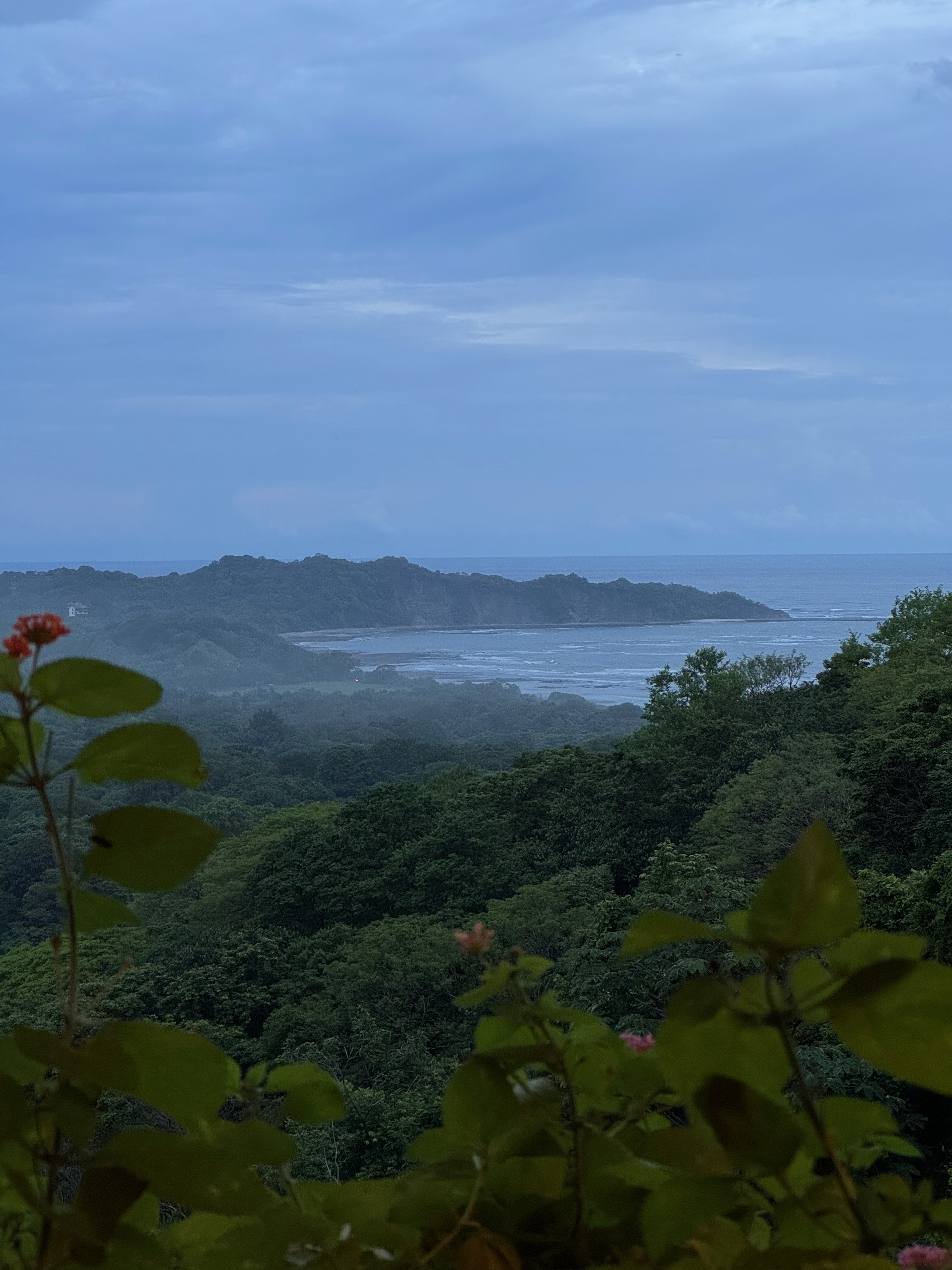
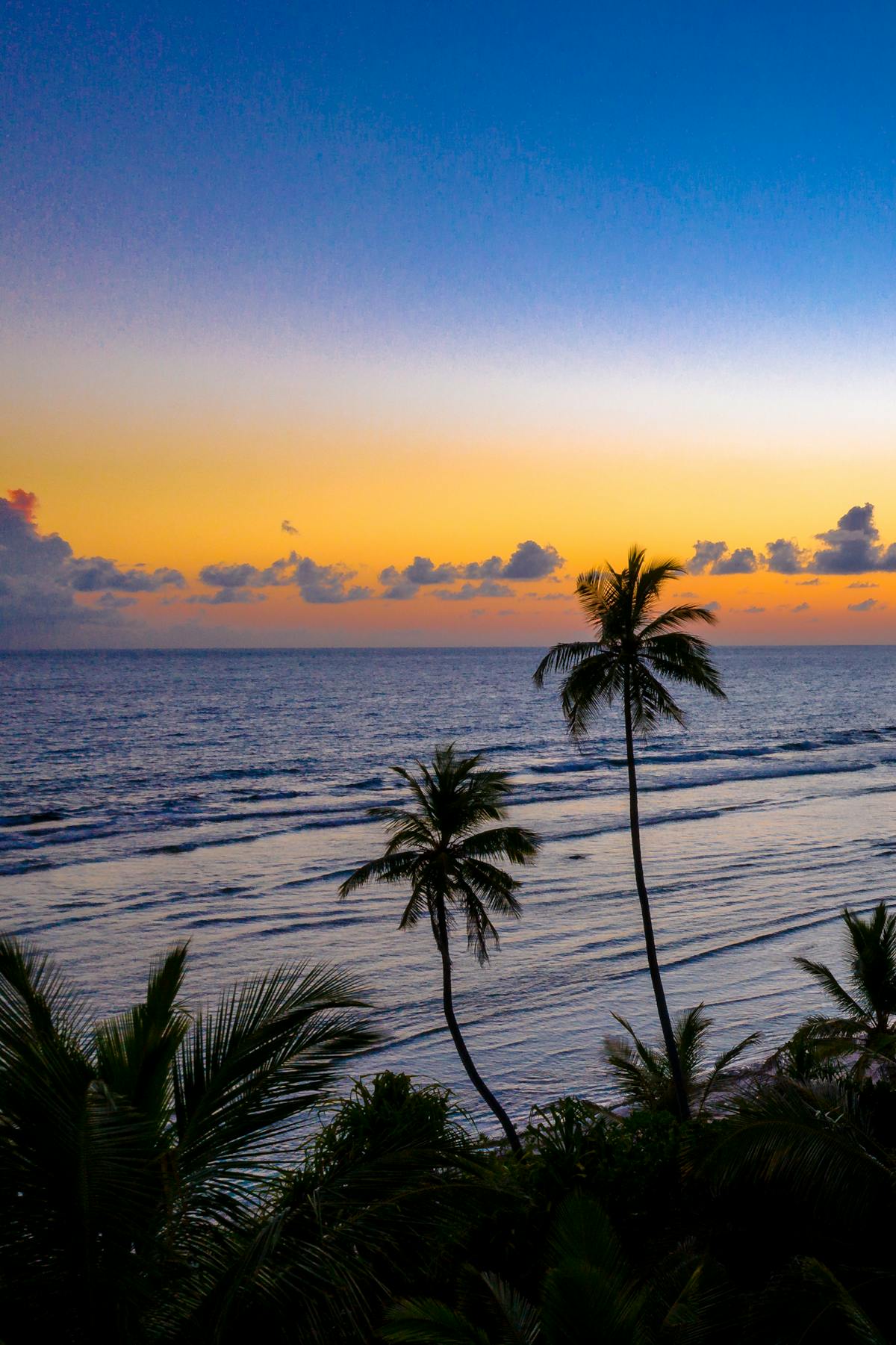
Nosara is quiet, nature-immersed, and intentionally undeveloped. Roads are unpaved. There are no traffic lights, no chain restaurants, and no buildings taller than the treeline — a community decision enforced through building codes since the 1970s. The town is spread across the jungle, and you can't see a single structure from the beach in most places. Nosara attracts wellness-focused travelers, surfers, families seeking a nature experience, and digital nomads who want to unplug.
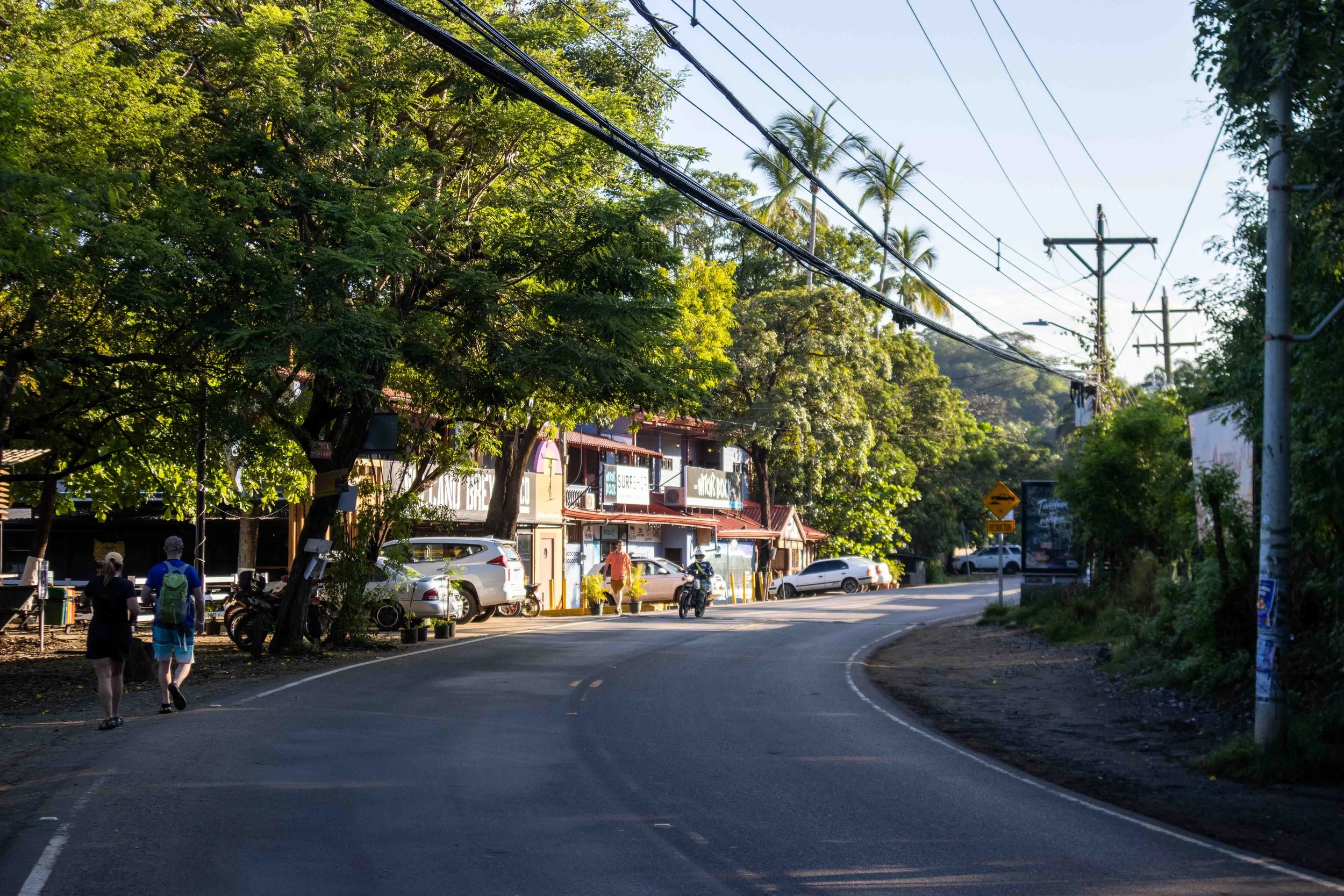
Tamarindo is the most developed beach town on the Guanacaste coast. It has a walkable main strip lined with shops, restaurants, bars, and tour operators. There are condos, larger resorts, and a genuine nightlife scene. It's more of a bustling tourist town — convenient and lively, with something for everyone. Some travelers describe it as the most Americanized beach town in Costa Rica.
The simplest way to think about it: Nosara is where you go to slow down. Tamarindo is where you go to have fun.
Beaches
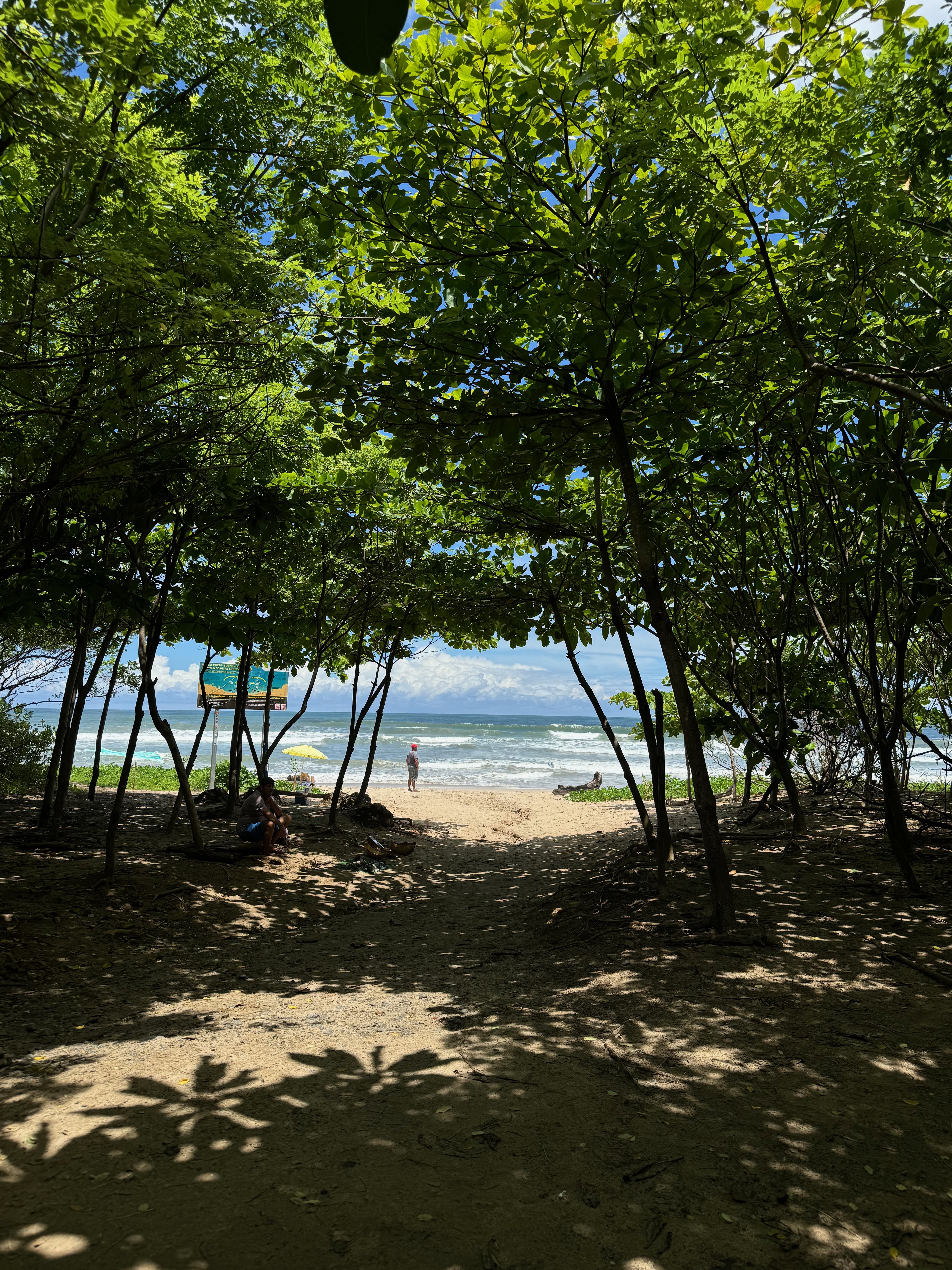
Nosara's Playa Guiones stretches about seven kilometers — wide, white sand, powerful surf, and almost no development in sight. It feels wild. Nearby Playa Pelada is a smaller, sheltered cove with tide pools, a blowhole, and calmer water for families. Both beaches have earned Costa Rica's Blue Flag ecological certification.
Tamarindo's main beach is about 3.5 kilometers and sits directly adjacent to town. You walk straight from shops and restaurants onto the sand. It's good for swimming in sections and popular for beginner surfing, but it's noticeably more crowded, especially in high season. Nearby Playa Grande and Playa Langosta offer quieter alternatives.
Surfing
Nosara wins for wave quality and space. Playa Guiones is a consistent beach break with multiple peaks spread across that long stretch of sand. It picks up swell year-round and works on all tides. Intermediates love it for the reliable, long rides. Beginners love it for the sandy bottom and forgiving whitewater. The lineup is growing but still spacious compared to most surf destinations.
Tamarindo is popular for beginner lessons — the main break has gentle, small waves and plenty of surf schools. But the surf zone can get very crowded, particularly in high season. More advanced surfers in Tamarindo typically head to nearby breaks like Playa Grande, or take boat trips to world-class waves at Witch's Rock and Ollie's Point in Santa Rosa National Park.
Dining and Nightlife
Nosara's restaurant scene has matured into something genuinely impressive for a small town. You'll find organic farm-to-table restaurants, excellent sushi, Mediterranean cuisine, fresh ceviche, and some of the best smoothie bowls you've ever had. The wellness culture shows up on every menu — plant-based options, superfoods, and locally sourced ingredients are the norm. Nightlife, though, is limited. A few bars stay lively until 10 or 11 PM, but this is not a party town.
Tamarindo has more options across the board — from budget sodas (local eateries) to upscale seafood restaurants. The variety is wider and the price range is broader. Nightlife is the most active on this stretch of coast, with bars and clubs open late. If going out in the evening is important to your trip, Tamarindo is the clear winner.
Yoga and Wellness
This is Nosara's strongest differentiator. It's widely considered the yoga capital of Central America. Multiple world-class retreat centers, yoga studios in every neighborhood, and a wellness culture that runs through the entire community — from the restaurants to the accommodations to the daily rhythm of life. Yoga teacher trainings, breathwork, sound healing, surf-and-yoga retreats, and jungle meditation are all part of the fabric here.
Tamarindo has yoga studios and spas, but wellness is an add-on there — not the main event.
Family-Friendliness
Both towns work well for families, but in different ways.
Nosara is ideal for families who want their kids to engage with nature rather than screens. Tide pool exploration, surf lessons, horseback riding, wildlife boat tours on the Nosara River, and the sea turtle nesting at nearby Ostional are all unforgettable experiences for children. The absence of nightlife and party culture creates a wholesome, low-key atmosphere.
Tamarindo offers more structured activities and tours — catamaran cruises, zip-lining, ATV tours — and is more walkable, which is convenient with kids. There are more hotel pools and kid-friendly restaurant options. The party scene at night is easy to avoid but worth noting.
Wildlife and Nature
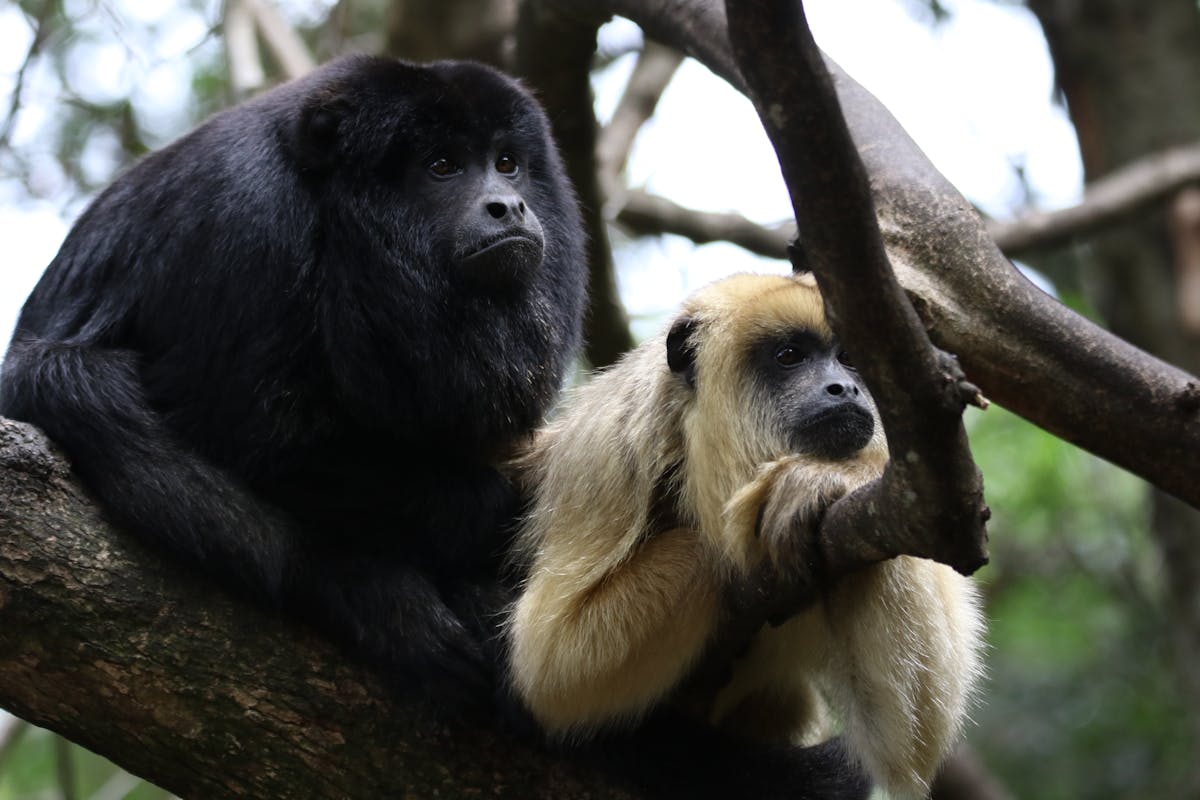
Nosara has a meaningful edge here. Because the town has preserved so much natural habitat, wildlife is part of daily life. Howler monkeys are your morning alarm clock. Iguanas sun themselves on walkways. Toucans and scarlet macaws fly overhead. The Nosara River mangroves are home to crocodiles and dozens of bird species.
Nosara is also home to several wildlife rescue organizations. The Sibu Wildlife Sanctuary rehabilitates injured animals — particularly howler monkeys affected by power line electrocutions — and reintroduces them to the wild. International Animal Rescue (IAR) Costa Rica operates a 24-hour wildlife emergency hotline and has treated over 107 species at their Nosara rescue center. And the Ostional Wildlife Refuge, just fifteen minutes north, hosts one of the world's most extraordinary sea turtle nesting events — the "arribada," when hundreds of thousands of Olive Ridley turtles come ashore to nest.
Tamarindo also has wildlife — howler monkeys in the trees, crocodiles in the estuary — but the more developed environment means encounters are less frequent and less immersive.
Getting There
Both towns are most easily reached through Liberia Airport (LIR), the international airport serving Guanacaste.
- Tamarindo: About 1.5 hours from LIR on fully paved roads.
- Nosara: About 2 to 2.5 hours from LIR. The roads have been significantly improved with recent paving — a standard rental car is fine year-round.
Both towns also have small local airstrips with domestic flights from San Jose (about 50 minutes).
Tamarindo is more walkable once you arrive. In Nosara, you'll want a rental car or golf cart — the town is spread out, which is part of its charm but does require transportation.
Cost
Tamarindo offers a broader price range with more budget options — hostels, cheap eats, and competitive tour pricing. Nosara tends to be slightly pricier overall, reflecting its boutique, wellness-oriented market. Restaurant meals, accommodations, and groceries can all run a bit higher in Nosara.
That said, the value proposition is different. In Nosara, you're paying for a more exclusive, less commercialized experience — preserved nature, uncrowded beaches, and a pace of life that most tourist towns lost years ago.
So, Which One?
Choose Nosara if you want:
- A yoga and wellness-focused retreat
- Consistent, uncrowded surf
- A nature-immersed family vacation
- To disconnect and slow down
- An authentic, intentionally undeveloped beach town
- Wildlife encounters as part of daily life
Choose Tamarindo if you want:
- Nightlife and evening entertainment
- A walkable town with wide-ranging dining options
- Easy access with developed infrastructure
- More budget-friendly options
- A first-time Costa Rica experience with broad appeal
- Organized tours and structured activities
Experiencing Nosara at Its Best
If Nosara sounds like your kind of place, Kembar is a pair of twin modern homes set in the jungle, a short walk from Playa Pelada and a nine-minute drive from Guiones. Private pool, artisan design, full kitchens, and space for up to 12 guests. It's the kind of property that makes you understand why people come to Nosara and don't want to leave.
Check availability on our booking page, or reach out on WhatsApp to start planning.